 注: 建议图片大小150px*50px
Views: 0 Author: Site Editor Publish Time: 2026-01-19 Origin: Site
LED monitors are popular for home entertainment, office work, and gaming. But what exactly makes them stand out?
This article will explain LED monitor technology, types, and benefits. You’ll understand how they work and why they’re different.
Learn more about AEVISION’s LED monitors for an enhanced viewing experience.
The roots of LED technology date back to the 1960s when Light Emitting Diodes (LEDs) were first developed. Initially, LEDs were used for small applications such as indicator lights. Over time, their efficiency and potential for larger applications became evident, leading to their use in displays and backlighting for LCD monitors.
Before LED monitors became popular, LCD (Liquid Crystal Display) monitors were commonly used. These monitors relied on Cold Cathode Fluorescent Lamps (CCFLs) for backlighting, which provided moderate brightness. As LED technology advanced, it replaced CCFLs for backlighting, creating monitors with brighter, more energy-efficient displays. This transition led to the sleek, vibrant, and energy-efficient monitors that we see today.
Over the years, LED technology has evolved significantly. Early LED backlighting was mostly edge-lit, with the LEDs placed around the screen's perimeter. Now, advancements have introduced full-array LED monitors and even mini-LED and micro-LED technologies, which provide better color accuracy, contrast, and brightness. These innovations have helped LED monitors become the preferred display technology for various industries, from entertainment to professional work.
LED monitors use Light Emitting Diodes to provide the backlighting for an LCD panel. These diodes shine through the liquid crystals, which manipulate the light to create the images you see on the screen. The key difference between an LED monitor and an LCD monitor is that LED monitors use LEDs for backlighting, while traditional LCD monitors use CCFLs (Cold Cathode Fluorescent Lamps).
LED backlighting offers several advantages over traditional LCD backlighting. LED monitors are thinner, more energy-efficient, and provide better contrast. In addition, the LEDs used in backlighting are capable of offering a wider color gamut, which results in brighter images and deeper blacks. This improvement has made LED monitors a favorite choice for gaming, design, and video editing.
LED monitors excel at providing bright, accurate colors. The use of advanced LED technology allows for better brightness control, deeper blacks, and a wider color range. Full-array LED monitors, for example, offer localized dimming, where individual areas of the screen can be dimmed or brightened based on the image content. This feature improves the contrast ratio and overall image quality, making LED monitors ideal for professional use in fields that require precise color representation, such as graphic design and video editing.

Edge-lit LED monitors have LEDs placed around the edges of the display, with light directed across the screen. These monitors are generally thinner and more affordable than full-array models, making them a good choice for basic use. However, the edge lighting can result in less uniform brightness and contrast.
Full-array LED monitors have LEDs spread across the entire screen behind the display panel. This results in more uniform lighting and better contrast. Full-array LED monitors often feature local dimming, allowing for deeper blacks and more vibrant colors in dark scenes. These are ideal for watching movies or playing games where color accuracy and contrast are crucial.
Mini-LED and micro-LED technologies represent the latest advancements in LED monitor technology. Mini-LED monitors use smaller LEDs to allow for more precise dimming and improved contrast, while micro-LEDs are self-emissive, meaning each pixel generates its own light. These technologies provide superior brightness, contrast, and color accuracy compared to traditional LED monitors, and are becoming increasingly popular for high-end applications.
Type of LED Monitor | Backlighting Method | Advantages | Disadvantages |
Edge-Lit LED | LEDs around the edges of the screen | Thinner design, energy-efficient, affordable | Uneven lighting, limited contrast |
Full-Array LED | LEDs behind the entire screen | Better contrast, deeper blacks, better uniformity | Typically thicker and more expensive |
Mini-LED | Smaller LEDs, more localized dimming | Excellent brightness, contrast, and HDR quality | Expensive, still new technology |
Micro-LED | Self-emitting pixels | Exceptional color accuracy, no backlight issues | High cost, limited availability |
One of the major advantages of LED monitors is their energy efficiency. Unlike traditional CCFL-backlit LCDs, LED monitors use less power, which can help reduce electricity costs. This is especially important in commercial settings or for users who plan to have their monitors on for extended hours. Energy-saving features also make LED monitors more eco-friendly compared to older technologies.
LED monitors provide superior image quality compared to older LCD monitors. The combination of improved backlighting and better color accuracy makes LED monitors perfect for applications that require sharp, vibrant images. Whether you're watching HD movies, gaming, or working on design projects, the improved brightness, contrast, and color reproduction will enhance the viewing experience.
LED monitors are typically much thinner and lighter than traditional LCD monitors, thanks to the compact size of LEDs. This slim design makes them ideal for wall mounting or for use in tight spaces. Additionally, LED monitors have a longer lifespan and are more durable than older LCD monitors, with many offering over 50,000 hours of usage before significant brightness degradation.
Advantage | Description | Benefits for Users |
Energy Efficiency | Consumes less power than traditional monitors | Saves on electricity bills, eco-friendly |
Enhanced Image Quality | Better contrast, color accuracy, and brightness control | Ideal for gaming, design, and professional use |
Slim Design | Thinner and lighter compared to older models | Fits in tight spaces, suitable for wall mounting |
Durability | Longer lifespan due to LED technology | Reduces need for frequent replacements |
While LED monitors offer numerous benefits, they are often more expensive than their CCFL-based LCD counterparts. The higher price is typically due to the advanced technology and better image quality, but it can be a barrier for budget-conscious buyers. However, the long-term savings in energy and the enhanced performance may justify the initial investment.
Some LED monitors, particularly edge-lit models, may have limited viewing angles. When viewed from the side, the color and contrast may appear washed out. Full-array LED monitors generally offer better viewing angles, but it's important to check the specifications before purchasing if wide viewing angles are a priority.
In certain LED monitors, especially those with lower-quality panels, backlight bleeding can occur. This happens when light leaks around the edges of the screen, resulting in uneven brightness. Full-array and higher-end mini-LED monitors tend to have fewer issues with backlight bleeding, but it's something to consider when purchasing a monitor.
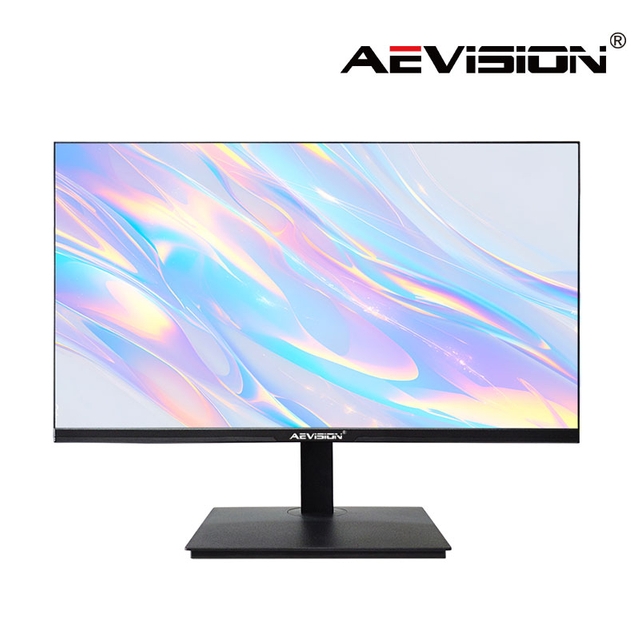
The main distinction between LED and traditional LCD monitors is the backlighting method. While both use liquid crystals to create images, LED monitors use light-emitting diodes for backlighting, offering better energy efficiency, brighter displays, and more vibrant colors. LCD monitors use CCFLs, which are less efficient and provide lower-quality images.
LED monitors are ideal for a wide range of applications, from home entertainment to professional work. Their superior contrast and color accuracy make them perfect for gaming, media consumption, and creative work. LCD monitors, while still widely used, are more suited for basic office tasks or budget-conscious users.
Feature | LED Monitors | LCD Monitors |
Backlighting | Uses LEDs for backlighting | Uses CCFLs for backlighting |
Energy Efficiency | More energy-efficient | Consumes more power |
Image Quality | Better contrast and color accuracy | Lower contrast and less vibrant colors |
Thickness | Thinner and more compact | Thicker design |
LED monitors are a popular choice for gamers due to their high refresh rates and low response times. These features significantly reduce motion blur and input lag, resulting in smoother gameplay. This enhanced performance provides a more immersive experience, particularly in fast-paced games. Additionally, LED monitors offer superior color accuracy and contrast, which improves visual details and depth, further enriching the gaming experience. With vibrant colors and sharp visuals, LED monitors are well-suited for both casual and competitive gaming.
For creative professionals such as graphic designers, video editors, and photographers, LED monitors are an ideal choice. These professionals require accurate color reproduction to ensure their work is true to life. Full-array LED monitors, in particular, provide excellent color accuracy and deeper blacks, making them essential for tasks that require precise image detail and color grading. The enhanced contrast and brightness levels offered by LED technology also allow for greater precision in editing, resulting in professional-grade outputs.
LED monitors are perfect for home entertainment, offering a bright, clear display for watching movies, TV shows, and streaming content. Their high brightness levels and vibrant colors make them particularly suitable for viewing in well-lit rooms. Whether you’re watching a thrilling action movie or binge-watching your favorite TV shows, LED monitors provide crisp visuals and deep contrast, bringing the content to life. With exceptional color accuracy, these monitors also enhance your overall viewing experience, making them an excellent choice for home theaters and living rooms.
LED monitors have transformed the display industry with better brightness, energy efficiency, and color accuracy. They’re perfect for gaming, professional work, and home entertainment. Whether upgrading for work or leisure, LED monitors offer reliable, high-quality displays. As LED technology evolves, expect even better performance and color accuracy. AEVISION provides high-performance LED monitors that deliver value and enhance your viewing experience.
A: An LED monitor uses Light Emitting Diodes (LEDs) for backlighting, providing superior brightness and color accuracy compared to traditional LCD monitors.
A: LED monitors use diodes for backlighting an LCD panel, allowing better brightness control and energy efficiency than older CCFL-based LCD monitors.
A: LED monitors offer better energy efficiency, improved brightness, and color accuracy, making them ideal for gaming, professional work, and home use.
A: Yes, LED monitors tend to have a higher initial cost but provide long-term savings through energy efficiency and superior image quality.


