 注: 建议图片大小150px*50px
Views: 0 Author: Site Editor Publish Time: 2026-01-05 Origin: Site
LCD video walls have transformed how businesses communicate. These displays offer vibrant visuals for large audiences. In this article, we’ll explore what an LCD video wall is and how it works. You’ll also learn its key benefits and where it's used across various industries. Learn more about how AEVISION's solutions can support your needs.
An LCD video wall is a display system consisting of multiple LCD panels arranged in a grid format to create a single, unified visual. The panels work together to display a large image or several smaller images. LCD video walls are commonly used in high-traffic environments such as transportation hubs, control rooms, corporate lobbies, and retail spaces where a high-quality, reliable display is needed.
A key feature of these displays is their seamless integration—the panels are designed with ultra-thin bezels to minimize the visible gap between them, creating a near-continuous viewing experience. Moreover, modular video wall solutions offer great flexibility. They support a range of bezel sizes, from 0.88mm to 3.5mm, allowing businesses to choose the solution that best fits their needs. Whether you need a multi-panel configuration or a single large display, LCD video walls can be customized to create a stunning visual experience.
At the heart of an LCD video wall is the video wall controller, which ensures that the individual panels function as a cohesive unit. This controller manages the content displayed across the system, making sure the images are aligned properly and that the scaling and synchronization are accurate.
Modern LCD video walls also allow for remote content control and real-time data integration, which is crucial for industries like finance or security. Moreover, these systems are often designed to operate 24/7, ensuring reliability in continuous-use environments.
One key advantage of using LCD technology is its ability to deliver consistent brightness and high resolution, which is vital for environments like control rooms or public signage. Whether it’s displaying critical data or advertisements, the ability to ensure precise, high-quality visuals is one of the main reasons businesses turn to LCD video walls.
Configuration | Number of Panels | Viewing Area (Inches) | Ideal Use Case |
2x2 | 4 panels | 55" per panel | Small to medium spaces (retail) |
3x3 | 9 panels | 55" per panel | Control rooms, conference halls |
4x4 | 16 panels | 55" per panel | Large public spaces, transportation hubs |
One of the core reasons for choosing an LCD video wall is the image clarity it provides. LCD panels offer sharp resolution and vibrant color accuracy, essential for applications like digital signage or monitoring systems. The consistent brightness and high contrast ratios ensure that the visuals are visible in any lighting condition. This makes them ideal for settings where precise, readable images are a must, such as in control rooms, where monitoring traffic systems or security feeds is crucial.
Tip: If your business relies on displaying detailed data or visuals, an LCD video wall will ensure high clarity, making your content easily legible, even from a distance.
The modular nature of LCD video walls means that businesses can begin with a smaller display and easily expand it over time. LCD video walls are highly customizable, allowing you to choose the configuration that best suits your space and needs. Whether you need a 2x2 grid for smaller areas or a more extensive 4x4 setup for larger spaces, these systems can be tailored to your specific requirements.
Furthermore, some solutions provide a modular design that ensures seamless integration between panels, offering precision down to the millimeter-level bezel-to-bezel accuracy. This is particularly important when you want a unified visual experience across all screens, whether for a control center or a public display.
Commercial-grade LCD video walls are designed for continuous operation. They are built to perform 24/7, making them suitable for environments like control rooms or transportation hubs, where uninterrupted display is essential. The systems are engineered to maintain consistent brightness and performance even after long hours of use, ensuring that the content remains clear and vibrant.
Moreover, intelligent temperature control systems in these video wall solutions help to maintain optimal performance and prevent overheating, especially in environments with high operational demands.
For businesses seeking a professional-grade display solution, LCD video walls offer a more cost-effective alternative compared to LED video walls. While LED video walls are known for their high contrast ratios and durability, LCD video walls provide a similar level of quality at a more affordable price. This makes them an attractive option for businesses looking to implement large-scale displays without a hefty investment.
Tip: If you are looking for an affordable way to set up a professional visual display for your business, LCD video walls provide a great balance of cost and performance.
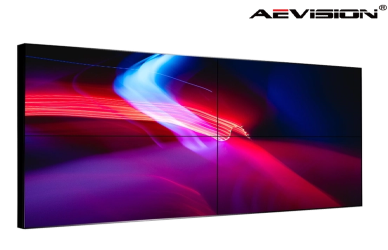
The bezel width plays a significant role in the overall visual experience. Narrow bezels minimize the visible gaps between panels, providing a seamless viewing experience. Many modern video wall solutions are equipped with ultra-thin bezels, ensuring that the display looks more like a single, uninterrupted screen.
When selecting an LCD video wall, consider the ambient lighting of the environment. In spaces with high light exposure, such as retail stores or corporate lobbies, you'll need a display with higher brightness to ensure that the visuals are still clearly visible. Make sure the brightness level matches the space’s lighting conditions to avoid washed-out images.
Choosing the right resolution is vital. A higher resolution will offer sharper images, particularly in areas where viewers are closer to the screen. Ensure that the resolution aligns with the space’s viewing distance to provide the best visual experience.
Effective mounting and alignment systems are essential for ensuring that all panels remain aligned over time. The stability of the mounting system affects the long-term quality of the visual display, and improper alignment can cause distortions in the image.
LCD video walls require reliable content management systems to ensure smooth operation. Choose a system that integrates well with your existing IT infrastructure and provides user-friendly control software for easy management and scheduling of content.
Tip: Consider scalability and software compatibility when selecting an LCD video wall system, ensuring that it meets both your current and future needs.
Feature | Importance | Ideal Application |
Bezel Width | Narrow bezels reduce gaps between screens | Control rooms, retail displays |
Brightness | Ensures visibility in various lighting conditions | Airports, lobbies |
Resolution | High resolution for crisp, clear visuals | Financial data, security systems |
Mounting and Alignment | Ensures long-term stability and precision | Conference rooms, exhibitions |
In control rooms, LCD video walls are used to monitor real-time data, such as security footage or traffic information. Their ability to display multiple sources of information in high resolution makes them indispensable in these environments, where precise data visibility is crucial.
Retail businesses use LCD video walls to attract customers and display advertisements. These displays can showcase dynamic content, from product promotions to brand messaging, engaging customers as they walk by.
LCD video walls in corporate settings provide powerful visual displays for meetings, conferences, and presentations. They allow for clear, large-scale visuals that enhance communication and make it easier for employees to follow along, regardless of where they are in the room.
LCD video walls in airports, bus stations, and train terminals are ideal for wayfinding, displaying flight schedules, and providing real-time updates to travelers. Their ability to display large amounts of information in a clear and easily readable format is a major asset in high-traffic areas.
LCD video walls are used in educational and training environments to display interactive learning materials, creating an immersive experience for students or trainees.
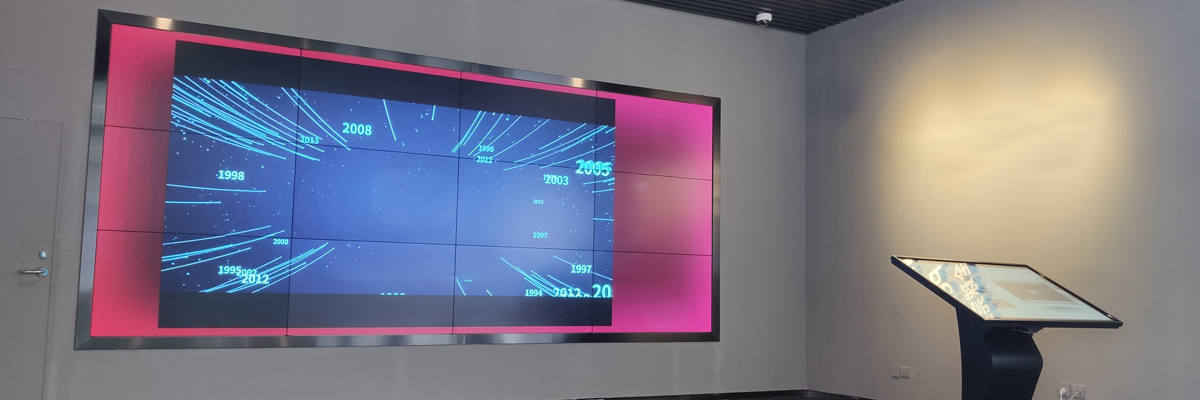
When choosing between LCD and LED video walls, it’s essential to weigh the advantages of each. LED video walls are known for their higher contrast ratios and better color reproduction but come at a higher cost. LCD video walls, while more affordable, still provide high-quality visuals and are often preferred for indoor installations.
Unlike projectors, which can suffer from low brightness in brightly lit areas, LCD video walls provide consistent visibility under various lighting conditions. This makes LCD video walls a better solution for environments where clarity and brightness are essential.
Technology | Brightness | Image Quality | Durability | Cost | Ideal Use Case |
LCD Video Wall | Moderate | High contrast, vibrant colors | Moderate | Affordable | Indoor environments, retail |
LED Video Wall | High | Excellent contrast, brighter colors | Long-lasting | Expensive | Outdoor, large-scale displays |
Projectors | Moderate | Can suffer from low brightness | Short lifespan | Low-cost | Presentations, classrooms |
The configuration of your LCD video wall depends on your available space and the content you wish to display. Whether you opt for a smaller 2x2 grid or a larger setup, ensure that the layout fits both the physical environment and your display needs.
To achieve the desired resolution, consider how many panels are necessary. For instance, achieving 4K resolution may require a 2x2 grid of high-definition panels. Planning the resolution ahead of time ensures that content is displayed without distortion or pixelation.
Tip: When designing your LCD video wall, think about future growth. Opt for a scalable configuration that can expand as your needs evolve.
LCD video walls provide a powerful solution for businesses seeking high-quality, impactful visuals. Their flexibility, reliability, and scalability make them ideal for control rooms, retail spaces, and transportation hubs. By understanding the benefits, businesses can choose the right solution for their needs. AEVISION’s products offer seamless integration and high performance, helping companies enhance customer experiences and improve communication.
A: An LCD video wall is a large display system made up of multiple LCD panels arranged to create a seamless visual experience. It’s commonly used in environments like control rooms, retail spaces, and transportation hubs.
A: LCD video walls work by using individual LCD panels connected to a video wall controller. This controller ensures that content is aligned and displayed seamlessly across all panels.
A: LCD video walls offer high-quality visuals, flexibility, scalability, and reliable 24/7 operation. They're ideal for displaying content in large spaces or high-traffic environments.
A: The cost of an LCD video wall depends on the size, resolution, and features. It is generally more affordable compared to LED video walls, offering a balance of performance and cost.


