 注: 建议图片大小150px*50px
Views: 0 Author: Site Editor Publish Time: 2026-02-28 Origin: Site
In the world of modern electronics, the term LED (Light Emitting Diode) has become commonplace, especially when talking about display technology. From televisions and computer screens to lighting fixtures and digital billboards, LED technology has revolutionized the way we see images and videos. However, while the acronym itself is simple, understanding the role of LED in various devices like LED monitors requires a deeper dive into the technology behind it.
At Guangzhou Aevision Electronics Technology Co. Ltd., we specialize in high-performance LED displays, which are not only widely used in entertainment and business but have also expanded into areas like healthcare, education, and industrial settings. Understanding what LED stands for and how it functions within the broader display industry is crucial for selecting the right products, whether you’re upgrading a workspace or enhancing your entertainment system.
This article will explore the origins of LED technology, how it works, and why it has become the standard for modern monitors, offering brighter, more energy-efficient, and longer-lasting displays compared to older technologies. By the end of this article, you’ll be able to make informed decisions when choosing LED monitors for various applications.
LED stands for Light Emitting Diode, which is a semiconductor device that emits light when an electrical current passes through it. The diode is a two-terminal component that allows current to flow in one direction only, and when this current passes through the semiconductor material, electrons recombine with holes (the absence of an electron), releasing energy in the form of photons—this process is known as electroluminescence.
Light Emission: The primary feature of an LED is its ability to emit light without a filament, like traditional incandescent bulbs.
Energy Efficiency: LEDs consume less power and produce less heat, making them highly energy-efficient.
Long Lifespan: Due to their robust construction, LEDs last longer than other lighting technologies, with an average life span of 25,000 to 50,000 hours.
Durability: LEDs are solid-state components, meaning they are more durable than traditional light bulbs.
In monitors, LEDs are used as the light source in LED-backlit LCD displays, replacing the older CCFL (Cold Cathode Fluorescent Lamp) backlighting. This has led to improvements in brightness, contrast, color accuracy, and energy consumption.
In a monitor, the LED is typically used as the backlight for the LCD (Liquid Crystal Display) panel. LCD panels themselves don’t emit light—they require an external light source, and that’s where LED technology comes into play.
Here’s how an LED monitor works:
LEDs are arranged behind the LCD panel to illuminate the liquid crystals.
The liquid crystals do not emit light themselves but use the backlight to display images. When electrical current is applied, the liquid crystals twist to block or allow light through, which forms the images you see.
There are two main types of LED technology used in monitors:
Edge-Lit LED: In this design, LEDs are positioned along the edges of the monitor, and light is spread across the screen using a light guide panel. This design is thinner but can have less uniformity in brightness.
Full Array LED: In full array, LEDs are placed directly behind the LCD panel in a grid-like pattern. This allows for better brightness uniformity and local dimming, which improves contrast and black levels.
One of the advancements made possible by LED-backlit LCD monitors is local dimming, which allows certain sections of the screen to be dimmed while others remain bright, leading to better contrast and deeper blacks. This feature is particularly useful in enhancing High Dynamic Range (HDR) content, where bright and dark areas are displayed simultaneously for a more vivid and lifelike image.
The use of LED technology in monitors has become the industry standard because it offers several advantages over traditional display technologies. Some of the reasons LED monitors are so popular include:
LED monitors offer superior brightness and better contrast ratios compared to older technologies like CCFL-backlit LCDs. This allows for clearer, more vibrant images that perform well even in bright environments.
LED technology uses significantly less power than other backlighting systems, making LED monitors more energy-efficient and cost-effective to run. This is especially important for businesses or environments where monitors are used for extended periods.
Because LEDs are more compact and efficient, LED-backlit monitors can be thinner and lighter than traditional CCFL monitors, making them more portable and easier to fit in various spaces.
LEDs are more durable than other lighting sources, which results in a longer lifespan for the monitor. This reduces the frequency of replacements and leads to lower maintenance costs.
LED-backlit monitors provide more accurate colors and a wider color gamut, which is particularly beneficial for applications such as photo editing, design, and gaming.
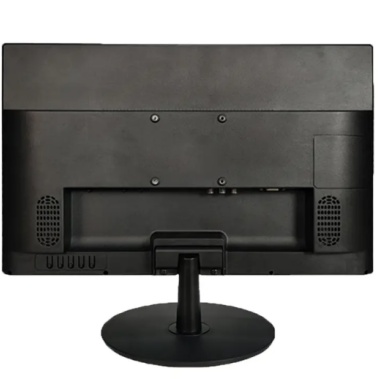
LED monitors are versatile and can be used in a wide range of environments. Some of the most common applications include:
LED monitors are commonly used in home theaters and gaming setups because of their high-quality picture, vibrant colors, and fast response times.
LED monitors are ideal for office environments where long hours of screen time are common. Their energy efficiency and comfortable viewing experience make them perfect for professional tasks such as data analysis, content creation, and presentations.
Because of their clarity and color accuracy, LED monitors are also used in medical imaging and educational settings where visual precision is essential.
In industrial environments, LED displays are used in control panels, machinery monitors, and digital signage due to their durability and performance in harsh conditions.
While LED monitors are often compared to other types of displays such as OLED or traditional LCDs, they offer a number of unique advantages:
LED monitors use less power, which not only reduces electricity bills but also minimizes the carbon footprint compared to older technologies like CCFL.
Compared to other high-end display technologies like OLED, LED monitors offer a more budget-friendly option while still providing impressive picture quality and energy savings.
LED monitors are available in a wide range of sizes, styles, and price points, giving consumers more flexibility when selecting a monitor for their specific needs.
When selecting an LED monitor, several factors should be taken into account to ensure that you choose the right one for your application:
Choose a monitor size that fits your workspace or viewing area. For resolution, higher resolutions (such as 4K or 8K) provide more detail and clarity, but they may also require more powerful hardware to operate smoothly.
Consider the color accuracy and HDR capabilities of the monitor if you’re working with tasks that require precise color matching, such as graphic design or photography.
A higher refresh rate (such as 144Hz or higher) and faster response time are important for activities like gaming, where smooth visuals and quick reactions are key.
Check the connectivity options (HDMI, DisplayPort, USB-C, etc.) to ensure compatibility with your devices and peripherals.
At Guangzhou Aevision Electronics Technology Co. Ltd., we specialize in providing high-performance LED monitors that are designed for various applications, from home entertainment to professional and industrial use. Our products combine cutting-edge technology with energy-efficient design, ensuring that our customers get the best viewing experience while also reducing their environmental impact.
If you are looking for a reliable, energy-efficient, and high-quality LED monitor, Guangzhou Aevision Electronics Technology Co. Ltd. is your go-to source. We offer a wide range of models to meet your needs and provide superior customer support for all your product inquiries.
An LED monitor uses light-emitting diodes (LEDs) for backlighting, while an LCD monitor uses cold cathode fluorescent lamps (CCFLs). LED monitors are typically brighter, more energy-efficient, and thinner than their LCD counterparts.
OLED monitors provide superior contrast and color accuracy compared to LED monitors, but LED monitors are generally more affordable and energy-efficient.
LED monitors have a long lifespan, typically lasting between 30,000 and 50,000 hours, depending on usage and maintenance.
To maintain your LED monitor, regularly clean the screen with a microfiber cloth, avoid exposure to direct sunlight, and ensure proper ventilation to prevent overheating.


