 注: 建议图片大小150px*50px
Views: 0 Author: Site Editor Publish Time: 2026-02-01 Origin: Site
When choosing between indoor and outdoor LED displays, it’s essential to understand the key differences between these two types of monitors. While both provide high-quality visuals and are widely used in a variety of applications—from advertising to event displays—each type of LED monitor is designed with specific features that make it more suitable for its respective environment. The decision to opt for an indoor or outdoor LED monitor goes beyond just choosing a screen size. It involves considering factors like brightness, durability, weather resistance, and installation type.
At Guangzhou Aevision Electronics Technology Co., Ltd., we specialize in providing LED monitors for both indoor and outdoor environments. In this article, we’ll take a closer look at the fundamental differences between indoor and outdoor LED displays, including their characteristics, benefits, and specific use cases. By understanding these key differences, you’ll be able to make an informed decision about which type of LED display best suits your needs.
LED displays are widely used for various purposes, ranging from advertising to information display, and they are available in two main categories: indoor and outdoor. Understanding the differences between these two types of displays is essential for making an informed decision based on your specific needs, whether it’s for a retail environment, an exhibition, or an outdoor billboard. Below, we’ll highlight the key differences that separate indoor LED displays from outdoor LED displays, including brightness, weather resistance, temperature tolerance, viewing angle, and installation requirements.
One of the most crucial factors that distinguish indoor and outdoor LED displays is brightness. Outdoor displays need to be significantly brighter to ensure visibility even in direct sunlight. These displays typically have brightness levels ranging from 5,000 to 10,000 nits, which makes them capable of withstanding harsh outdoor light and maintaining clear visibility during the day.
In contrast, indoor LED displays have lower brightness levels, typically ranging from 1,000 to 2,500 nits. Since indoor environments are controlled, shaded, and not exposed to the harshness of sunlight, they do not need as high brightness levels. For most indoor applications, lower brightness is sufficient to provide sharp, clear, and vivid images in a more controlled setting.
Outdoor environments subject displays to various external factors, including rain, snow, high humidity, and extreme temperature fluctuations. Outdoor LED displays are specifically designed to withstand these conditions. They come with an IP65 or higher rating, which means they are waterproof, dustproof, and protected against moisture and other environmental hazards. These displays are often enclosed in high-grade aluminum or stainless steel, materials that offer protection against corrosion and long-term wear.
Indoor LED displays, however, are typically not built with the same durability in mind. They are usually made with lightweight plastic or other materials that provide sufficient protection in indoor environments but are not designed to resist the elements. While indoor displays are still durable, they do not offer the same level of protection as outdoor LED displays and are unsuitable for use in harsh weather conditions.
The temperature and humidity tolerance of an LED display is critical, particularly for outdoor applications. Outdoor LED displays are designed to function within a wide temperature range of -20°C to 50°C and often include built-in cooling systems to manage the heat dissipation required in hot environments. They also typically come with anti-condensation systems that help prevent moisture from affecting the internal components, particularly in high-humidity regions.
On the other hand, indoor LED monitors are generally used in more stable temperature ranges and do not require the same advanced cooling or humidity control systems. They operate in environments with less extreme conditions, making them easier and more affordable to maintain than outdoor LED monitors.
The viewing angle is another major difference between indoor and outdoor LED displays. Outdoor LED displays are built with wider viewing angles to ensure that the content is clearly visible from various directions, even in large spaces or areas with multiple viewing points. These displays are often designed with higher contrast ratios to ensure that the content remains visible even in bright daylight conditions.
On the other hand, indoor LED displays typically have higher pixel densities, which allows for better resolution and sharper images when viewed from closer distances. Indoor displays are commonly used in applications where viewers are positioned closer to the screen, such as in control rooms, lobbies, and retail stores, where high resolution and sharp detail are essential.
The installation requirements for indoor and outdoor LED displays vary significantly due to environmental factors and design specifications. Outdoor LED displays need to be designed to endure external factors such as wind, vibration, and fluctuating temperatures. As a result, the installation process for outdoor displays is typically more complex and requires reinforced mounting systems that ensure the display stays in place securely while also accommodating the necessary ventilation for heat dissipation.
Indoor LED displays, however, are usually easier to install because the environment is more controlled. These displays can typically be mounted on walls or suspended from ceilings with minimal concerns about weatherproofing or temperature control. They are designed to be installed quickly and cost-effectively in stable, enclosed spaces.
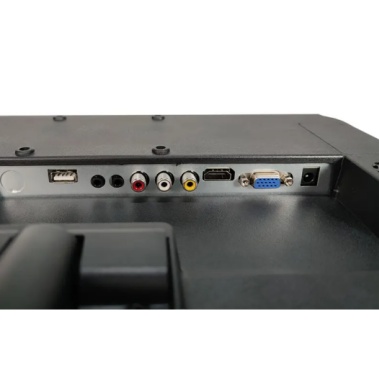
Indoor LED displays are well-suited for a variety of applications, including advertising, exhibitions, control rooms, and retail environments. These displays are typically used in spaces where there is little concern for direct sunlight or extreme weather conditions. Their higher resolution and sharpness make them ideal for environments where customers or employees need to interact with or view the content up close.
Benefits of Indoor LED Displays:
Clear and vibrant resolution suitable for indoor viewing distances
Lower cost compared to outdoor models
Easier installation due to the stable indoor environment
Versatile use in offices, lobbies, control rooms, and retail spaces
Outdoor LED displays, on the other hand, are designed to handle the challenges of the outdoor environment. These displays are typically used in applications such as billboards, stadiums, transport hubs, digital signage along highways, and outdoor advertising. They are built to withstand exposure to direct sunlight, rain, snow, and other environmental factors, making them highly reliable in all weather conditions.
Benefits of Outdoor LED Displays:
High brightness ensures visibility even in direct sunlight
Weatherproof design for long-lasting durability in extreme conditions
Wider viewing angle for larger outdoor spaces and diverse viewer positions
Increased visibility at long distances, perfect for large-scale advertising
Feature | Indoor LED Display | Outdoor LED Display |
Brightness | 1,000-2,500 nits | 5,000-10,000 nits |
Weather Resistance | Not weather-resistant | IP65-rated, water-resistant, dustproof |
Temperature Tolerance | Stable, controlled environment | -20°C to 50°C, requires cooling |
Viewing Angle | Narrower, closer viewing distance | Wider, designed for long-distance viewing |
Resolution | Higher pixel density | Lower pixel density, focused on visibility |
Installation | Easier, less protective measures | Complex installation, weatherproofing needed |
When choosing between indoor and outdoor LED monitors, understanding the environmental requirements and intended application is key. Whether you are setting up a retail space with indoor digital signage or installing an outdoor advertising billboard, selecting the right LED monitor can dramatically impact the performance and longevity of your system. At Guangzhou Aevision Electronics Technology Co., Ltd., we provide high-quality LED displays designed to meet the specific needs of each project. Our range of products is built with durability, performance, and visual clarity in mind, ensuring that your system operates smoothly over time.
If you are in the market for indoor or outdoor LED displays and want more information about selecting the best equipment for your needs, feel free to visit Guangzhou Aevision Electronics Technology Co., Ltd. and contact us for detailed product information and personalized recommendations.
The main difference is the brightness and weather resistance. Outdoor LED displays are designed to handle exposure to sunlight, rain, and temperature fluctuations, while indoor displays typically have lower brightness and are used in controlled environments.
While it’s technically possible, it is not recommended. Indoor displays are not weatherproof and are not designed to handle the environmental challenges of outdoor use, like rain, direct sunlight, or extreme temperatures.
With proper maintenance and protection, outdoor LED displays can last between 7 to 10 years. Their longevity is impacted by factors such as exposure to extreme weather, UV radiation, and maintenance frequency.
Outdoor LED displays typically require a brightness of at least 5,000 to 10,000 nits to remain visible in direct sunlight. The higher the brightness, the better the display will perform in various lighting conditions.


