 注: 建议图片大小150px*50px
Views: 0 Author: Site Editor Publish Time: 2026-01-07 Origin: Site
The debate between LED and LCD video walls is a common one. Each offers unique benefits, but which one suits your needs? This article will compare LED and LCD video walls, covering image quality, cost, durability, and ideal usage. You’ll also learn how AEVISION’s solutions can help you choose the best option.
Both LED and LCD video walls use liquid crystal display (LCD) technology, but the main difference lies in the backlighting system. While LCD video walls use fluorescent backlighting, LED video walls rely on light-emitting diodes (LEDs) for illumination. This difference allows LED displays to produce higher brightness levels and achieve local dimming, enhancing contrast ratios and image quality.
LED video walls generally offer superior picture quality compared to their LCD counterparts. LED technology enables higher contrast ratios, deeper blacks, and more vibrant colors, making them ideal for applications requiring high-resolution visuals, such as digital signage and high-end retail displays. While LCD video walls have made significant advancements, they still fall short in terms of achieving the rich colors and high contrast offered by LEDs.
Resolution and pixel pitch are crucial when determining the clarity of the content displayed. LCD video walls often provide a higher resolution, which is especially beneficial in environments requiring close-up viewing. For example, a 55-inch LCD video wall can offer a 1920x1080 resolution, making it perfect for control rooms or conference halls where details are essential.
LED video walls, on the other hand, can vary in resolution depending on the pixel pitch, which is the distance between individual pixels. While LED video walls may not have the same pixel density as LCDs, they excel in larger outdoor or long-distance applications, where resolution is less critical and visibility from afar is a priority.
Feature | LED Video Wall | LCD Video Wall |
Backlighting | Light-emitting diodes (LEDs) | Fluorescent lamps (backlit LCD) |
Resolution | Varies (lower pixel pitch) | 1920x1080 (standard for most models) |
Seamlessness | No bezels, seamless display | Bezel visible between panels |
Ideal Use Case | Outdoor, large-scale displays | Indoor, detailed display (e.g., control rooms) |
LED video walls excel in brightness, offering levels ranging from 600 to 6,000 nits. This makes them highly effective in environments with high ambient light, such as large public spaces or locations with natural sunlight exposure. These bright displays are ideal for outdoor applications like billboards, sports stadiums, and transportation hubs. In contrast, LCD video walls typically offer lower brightness levels, ranging from 500 to 700 nits. This makes them more suitable for controlled indoor environments, like conference rooms or retail spaces, where ambient light is easier to manage.
For outdoor applications, LED video walls are the clear winner. Thanks to their higher brightness levels, LEDs can maintain visibility even in direct sunlight. Additionally, many LED video walls are designed with weather-resistant features, such as an IP65 rating, which ensures their durability in challenging outdoor conditions. This makes them the ideal choice for outdoor digital signage, large-scale public displays, or advertising in high-traffic areas. LCD video walls, on the other hand, are primarily designed for indoor use. They are not built to withstand extreme outdoor elements like rain or direct sunlight and are best used in controlled environments.
Type | Brightness Range | Ideal Application |
LED Video Wall | 600 nits to 6,000 nits | Outdoor, high-ambient light areas |
LCD Video Wall | 500 nits to 700 nits | Indoor, controlled lighting environments |
One of the main considerations when choosing an LCD video wall is the bezel. The bezel is the frame around each LCD panel, and larger bezels can cause a visible line between panels, which disrupts the seamless viewing experience. This can be especially noticeable in applications where large images or data need to be displayed. However, with advancements in bezel reduction technologies, narrower bezels have become more common, significantly improving the overall continuity of the display. Modern LCD video walls now feature very thin bezels, enhancing the user experience by minimizing the visual interruption between screens.
In contrast, LED video walls offer the advantage of no visible bezels. The individual tiles in an LED wall fit together seamlessly, creating a continuous image without any gaps. This feature is particularly beneficial for applications that require an uninterrupted visual experience, such as digital art installations, luxury retail displays, or high-end presentations. A bezel-free LED video wall provides a cleaner, more professional look, making it the ideal choice for environments where aesthetics and continuity are essential.
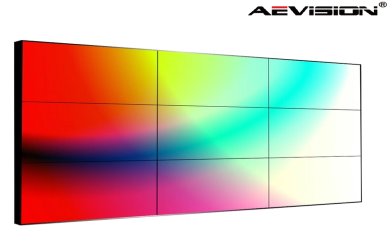
LED video walls tend to be more durable than their LCD counterparts, thanks to their solid-state design. LED panels are resistant to physical impact and designed for continuous operation, making them highly reliable in demanding environments such as control centers or outdoor settings. Their long lifespan allows them to function efficiently for extended periods without significant wear. LCD video walls, while still reliable, are more fragile. They can experience damage from pressure points or impacts, which may be a concern in high-traffic or high-risk areas.
LED video walls typically require less maintenance than LCD video walls due to their superior durability and longer lifespan, which can reach up to 100,000 hours. Their modular design allows for easy maintenance, with individual tiles being replaceable without having to dismantle the entire system. In contrast, LCD video walls have a shorter lifespan (around 50,000 hours) and often require more frequent maintenance. This can include backlight replacements, recalibration, or even panel replacements, making them more labor-intensive to maintain over time.
When comparing initial costs, LCD video walls are typically more affordable than LED video walls. A basic LCD setup can cost between $5,000 and $6,000, depending on the size and resolution, making them an attractive option for businesses on a budget. LED video walls, however, generally come with a higher upfront cost, typically ranging from $40,000 to $50,000, due to their advanced technology and performance capabilities. This makes LED displays less accessible for those with limited budgets or smaller projects.
Although LED video walls are more expensive initially, their longevity, energy efficiency, and lower maintenance requirements make them more cost-effective over time. With a lifespan of up to 100,000 hours, LED displays can reduce the need for frequent replacements and help lower long-term operational costs. In contrast, while LCD video walls are cheaper upfront, they may incur higher operational costs in the long run. Their shorter lifespan and greater power consumption may lead to higher electricity bills and more frequent maintenance, making the total cost of ownership higher for LCD systems.
Cost Type | LED Video Wall | LCD Video Wall |
Initial Cost | $40,000 - $50,000 | $5,000 - $6,000 |
Maintenance Cost | Lower long-term maintenance cost due to durability | Higher maintenance cost due to frequent servicing needs |
Total Cost of Ownership | Higher due to initial cost but more efficient long-term | Lower initial cost but higher operational and maintenance costs |
LED video walls are more energy-efficient than LCD video walls. Since LEDs emit light directly, they do not require as much power to achieve the same brightness as LCDs. This results in lower energy consumption, making LED video walls a more environmentally friendly choice in the long term. Additionally, LEDs typically maintain their brightness levels without much power fluctuation, ensuring consistent energy efficiency during extended use. Their energy-saving nature is particularly beneficial for businesses looking to reduce their operating costs over time.
LCD video walls require more power due to the backlighting technology they use. The fluorescent lamps behind the LCD panels need to be powered constantly to ensure the entire display remains illuminated. While LCDs are still more energy-efficient compared to other display technologies, they consume more energy than LED displays, especially when used at higher brightness levels. In indoor environments where brightness isn't as critical, this may not be a major concern, but for businesses looking to optimize energy usage, LEDs remain the better choice.
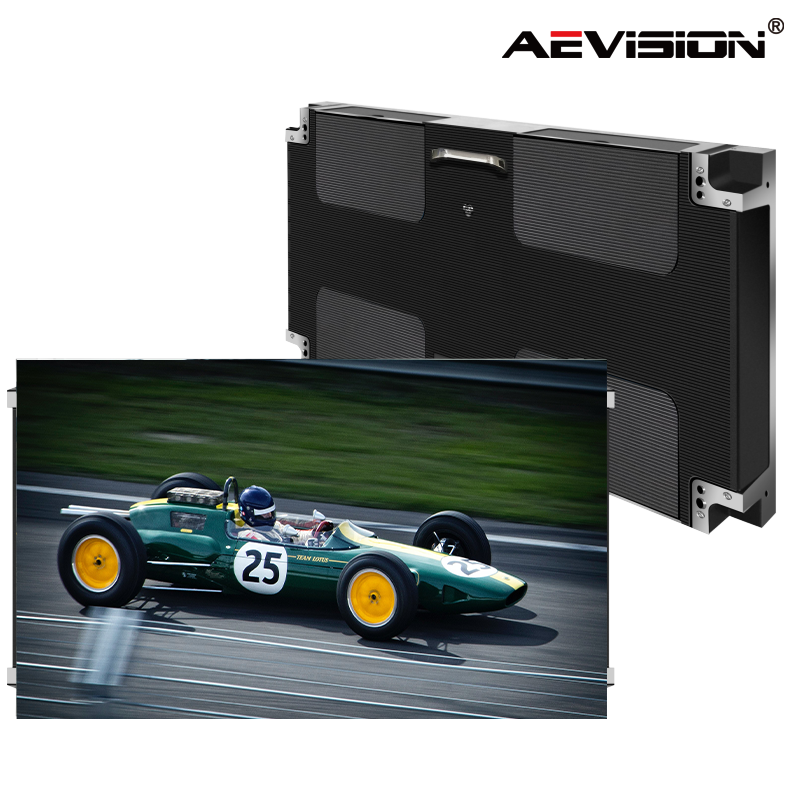
LED video walls are ideal for large-scale outdoor applications, such as stadiums, airports, and billboards, where high brightness and visibility from a distance are essential. Their ability to maintain image clarity in varying lighting conditions makes them the best choice for outdoor advertising and digital signage. Additionally, LED video walls can be scaled to any size or shape, offering flexibility for unique installations. Their durability and long lifespan make them suitable for environments where high performance is required around the clock.
LCD video walls are best suited for indoor applications, such as control rooms, conference rooms, and retail spaces, where image clarity and high resolution are crucial. These displays excel in controlled environments where precise visuals are needed for tasks like monitoring, data analysis, or customer interaction. Their cost-effectiveness makes them an attractive option for businesses with budget constraints while still delivering excellent performance for indoor use. Whether it's for displaying detailed charts, interactive media, or customer-facing content, LCD video walls are an affordable yet reliable solution.
Choosing between an LED and an LCD video wall depends on your needs. LED walls are ideal for large-scale, outdoor, or energy-efficient displays. LCD walls, however, excel in indoor environments that prioritize detail and cost-effectiveness. Both offer unique advantages, and AEVISION’s products can provide the right solution for your specific requirements. Whether for high resolution or durability, AEVISION can support your video wall needs with top-tier performance and value.
A: LED video walls use light-emitting diodes for backlighting, while LCD video walls use fluorescent lamps. LED walls offer better brightness, contrast, and energy efficiency.
A: LED video walls are ideal for outdoor use due to their higher brightness and weather-resistant design, making them perfect for environments with high ambient light.
A: Yes, LCD video walls are generally more affordable than LED video walls, making them a great option for budget-conscious buyers.
A: LCD video walls are better for displaying detailed content due to their higher resolution and sharper image quality, especially for indoor applications.


