 注: 建议图片大小150px*50px
Views: 0 Author: Site Editor Publish Time: 2026-03-11 Origin: Site
In recent years, the use of LED monitors has surged across various industries, from commercial spaces and offices to homes and entertainment venues. The question that often arises is: Why is LED technology replacing traditional displays like CRT or LCD monitors in modern spaces? At Guangzhou Aevision Electronics Technology Co. Ltd., we see firsthand how LED technology is reshaping how people interact with visual content. The advantages of LEDs over traditional displays are vast and go beyond mere aesthetics — they include efficiency, performance, durability, and flexibility. Understanding the core reasons behind this shift can help businesses and individuals make informed decisions when upgrading their display systems.
Before the rise of LED monitors, CRT (Cathode Ray Tube) displays dominated the market for decades. Although they offered decent image quality, CRTs were bulky, energy-hungry, and limited in terms of screen size and design flexibility. Then came LCD (Liquid Crystal Display), which provided a much thinner and energy-efficient alternative. While LCD displays offered better image quality, they still had some drawbacks in terms of energy consumption, color accuracy, and the longevity of the backlighting system.
LED monitors, which are essentially a type of LCD screen that uses Light Emitting Diodes (LEDs) for backlighting, have quickly surpassed these earlier technologies. LEDs offer numerous benefits in both performance and design, making them the preferred choice in modern spaces.
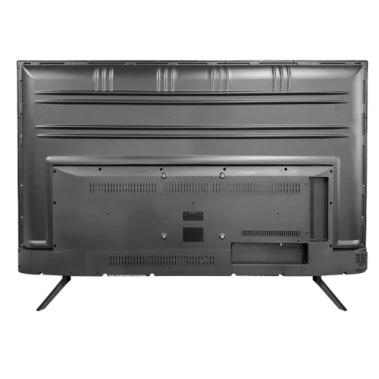
As technology advances, the demand for more efficient and sustainable display solutions has led to the widespread adoption of LED (Light Emitting Diode) monitors. These monitors offer several key advantages over older display technologies such as CRT (Cathode Ray Tube) and LCD (Liquid Crystal Display) screens. The advantages of LED technology are not only related to energy efficiency but also include improvements in image quality, design, durability, and environmental impact. In this article, we will explore the significant benefits of LED monitors and why they are increasingly replacing traditional displays in modern spaces.
One of the most significant advantages of LED monitors is their exceptional energy efficiency. Compared to traditional displays, LEDs consume far less power. This is particularly beneficial for large-scale commercial installations, such as in offices, retail stores, digital signage, and conference rooms. The lower energy consumption of LED monitors helps reduce operating costs and contributes to a smaller carbon footprint, which is an essential factor for businesses looking to improve their sustainability.
Display Type | Power Consumption | Advantage |
CRT | High | Energy-hungry, large power draw |
LCD | Moderate | Still less efficient than LED |
LED | Low | Significantly more energy-efficient |
The technology behind LED backlighting allows for more precise control over the brightness of the screen. This capability reduces energy usage without compromising image quality, making LEDs the optimal choice for energy-conscious consumers and businesses.
LED monitors provide superior picture quality when compared to traditional displays. Here’s why LED technology stands out:
Higher Contrast Ratios: LEDs can produce deeper blacks and brighter whites, creating a more vivid and dynamic image. This higher contrast ratio is especially important in environments where visual clarity is essential, such as conference rooms or home theaters.
Improved Color Accuracy: LED screens typically offer a wider color gamut, meaning they can display a broader range of colors in a more accurate manner. This is a significant advantage for tasks that require precise color representation, such as graphic design, video editing, or digital art.
Better Brightness Control: LED monitors feature advanced dimming technologies that allow them to adjust brightness levels according to the ambient light in the room. This dynamic adjustment ensures an optimal viewing experience, whether in a brightly lit office or a dimly lit home theater.
For spaces where visual clarity is critical, such as retail stores, educational institutions, and professional environments, LED technology provides an unparalleled viewing experience.
Another key advantage of LED monitors is their slim and lightweight design. Traditional CRT monitors were bulky and heavy, taking up valuable space and making installation difficult. LCDs were an improvement in terms of size and weight, but LEDs take this a step further. LED monitors are significantly thinner and lighter compared to both CRT and LCD displays, making them ideal for a wide range of applications.
Advantages of the slim and lightweight LED design include:
Wall-mounted displays in offices, homes, and retail environments, saving valuable space while providing sleek, modern aesthetics.
Large digital signage installations in malls, airports, and transportation hubs, where space optimization and visual impact are essential.
Interactive displays in classrooms and educational institutions, where portability and ease of installation are a priority.
The compact design of LED screens allows for versatile installation in spaces where saving room is crucial. This flexibility also makes it easier to integrate the monitors into modular systems, giving businesses and consumers more options for creative setups.
LED technology has a remarkable lifespan when compared to traditional displays. One of the most significant benefits of LED monitors is their longer lifespan. LED monitors typically last between 30,000 to 50,000 hours or more, which is far superior to the lifespan of both LCD and CRT monitors.
Reduced Wear and Tear: Unlike CRTs, which are fragile due to their glass components, LED monitors are solid-state components with no moving parts. This makes them more durable and resistant to damage caused by external impacts or physical stress.
Lower Maintenance Costs: Due to their long lifespan and high durability, LED monitors incur lower maintenance costs. This is especially important in commercial or industrial settings, where regular maintenance or frequent replacements can add up over time.
This longevity not only benefits consumers in terms of reduced costs but also ensures reliable performance in high-demand environments, such as production floors or public spaces.
LED monitors are much more environmentally friendly than older display technologies. Traditional CRT displays contain toxic materials like mercury, which can pose significant environmental hazards when disposed of improperly. In contrast, LED monitors contain no harmful substances and are more easily recyclable.
Additional environmental benefits of LED technology include:
Energy Efficiency: As mentioned earlier, LED monitors consume less power, which contributes to reducing overall energy consumption and, in turn, helps decrease greenhouse gas emissions.
Recyclability: Many modern LED displays are designed to be easily recyclable. As businesses and consumers increasingly focus on sustainability, the recyclability of LED monitors supports eco-friendly disposal and reduces e-waste, helping to conserve resources.
By choosing LED technology, consumers and businesses can reduce their environmental impact and contribute to a greener, more sustainable future.
The versatility of LED monitors makes them ideal for a wide range of applications in modern spaces:
LED monitors are a staple in retail, hospitality, and corporate environments. They are used for:
Digital Signage: In malls, airports, and restaurants, LED displays serve as dynamic advertising platforms, attracting customers with high-quality, bright images.
Conference Rooms: Businesses use LED monitors for presentations, video conferencing, and collaborative meetings due to their clarity and wide viewing angles.
Lobbies and Waiting Areas: LED screens are often used in reception areas to display information, announcements, or advertisements.
For home users, LED monitors have become a go-to choice for entertainment:
Home Theaters: LED TVs offer high picture quality for movies, sports, and gaming.
Gaming Monitors: LED technology provides smooth graphics, quick refresh rates, and vibrant colors, making it ideal for gamers.
In educational settings, interactive LED displays have replaced traditional whiteboards, enabling more engaging and dynamic learning environments.
LED monitors are revolutionizing the way we interact with visual content in modern spaces. From their exceptional energy efficiency and high picture quality to their slim design and long lifespan, the advantages of LED technology are clear. Whether you're upgrading an office, outfitting a commercial space, or setting up a home theater, LED displays provide an ideal solution for a wide range of needs.
At Guangzhou Aevision Electronics Technology Co. Ltd., we are dedicated to helping businesses and individuals make the transition to LED technology by providing high-quality displays that meet the demands of modern applications. With our expertise and commitment to innovation, we can help you select the perfect LED monitor solution for your space. If you are interested in learning more about our products and services, feel free to visit Guangzhou Aevision Electronics Technology Co. Ltd. and get in touch with our team for guidance on your display needs.
1. Why are LED monitors better than traditional displays?
LED monitors are more energy-efficient, have better picture quality, are more durable, and are thinner and lighter compared to older display technologies like CRT and LCD.
2. How long do LED monitors last?
LED monitors typically last between 30,000 to 50,000 hours, far longer than traditional displays.
3. Can LED monitors be used for outdoor displays?
Yes, LED monitors are often used for outdoor signage due to their brightness, durability, and ability to perform in various weather conditions.
4. Are LED monitors environmentally friendly?
Yes, LED monitors consume less power, contain no hazardous materials like mercury, and are often recyclable, making them a more eco-friendly choice.


